


Effective Strategies for Managing Shoulder Injuries in Sports Activities
- jun kim

- Mar 14
- 3 min read
Shoulder injuries are common among athletes and sports enthusiasts due to the joint’s wide range of motion and frequent use. Managing these injuries properly is crucial to prevent long-term damage and ensure a safe return to activity. This post explores practical strategies to handle shoulder injuries during sports, helping you stay active while protecting your shoulder health.
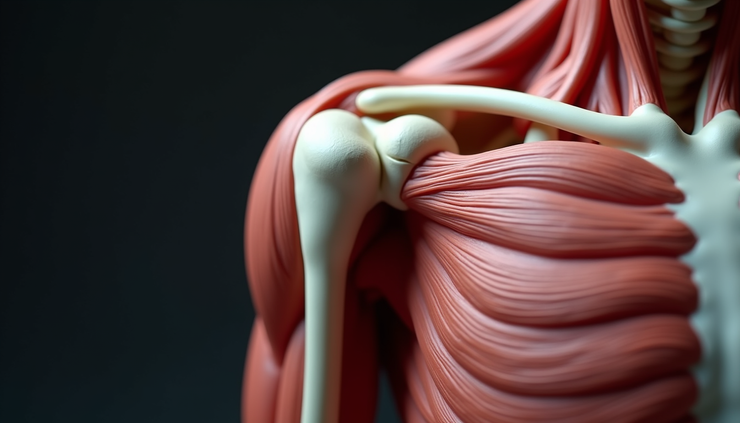
Understanding Shoulder Injuries in Sports
The shoulder is one of the most flexible joints in the body, allowing movements in multiple directions. This flexibility also makes it vulnerable to injuries such as:
Rotator cuff tears
Dislocations
Strains and sprains
Labral tears
Tendinitis
These injuries often occur due to repetitive motions, sudden impacts, or overuse during sports like baseball, swimming, tennis, and weightlifting.
Recognizing the Signs of a Shoulder Injury
Early recognition of shoulder injury symptoms can prevent worsening conditions. Common signs include:
Persistent pain during or after activity
Swelling or bruising around the shoulder
Limited range of motion or stiffness
Weakness when lifting or rotating the arm
A feeling of instability or the shoulder “giving way”
If you experience these symptoms, it’s important to stop the activity and seek evaluation.
Immediate Steps to Take After Injury
When a shoulder injury happens during sports, quick and appropriate action can reduce damage:
Rest the shoulder to avoid further strain.
Apply ice for 15-20 minutes every 2-3 hours during the first 48 hours to reduce swelling.
Use compression with an elastic bandage to control swelling.
Elevate the arm slightly to help decrease inflammation.
Avoid heat or massage in the first 48 hours as they may increase swelling.
These steps follow the general RICE (Rest, Ice, Compression, Elevation) principle, which is effective for many acute injuries.
Seeking Professional Medical Evaluation
Not all shoulder injuries heal with home care. If pain persists beyond a few days or worsens, consult a healthcare professional. A doctor or sports therapist can:
Perform a physical exam to assess injury severity
Order imaging tests like X-rays or MRI if needed
Recommend specific treatments such as physical therapy or medication
Discuss whether surgery is necessary for severe cases
Early diagnosis helps tailor the right treatment plan and speeds up recovery.
Rehabilitation and Physical Therapy
Rehabilitation focuses on restoring strength, flexibility, and function to the shoulder. A physical therapist will guide you through exercises that:
Improve range of motion without causing pain
Strengthen the rotator cuff muscles and shoulder stabilizers
Enhance posture to reduce strain on the shoulder
Gradually increase activity levels to prepare for sports return
Consistency with therapy exercises is key. Avoid rushing back into full activity before the shoulder is ready.
Preventing Future Shoulder Injuries
Prevention is better than treatment. Athletes can reduce shoulder injury risk by:
Warming up properly before sports with dynamic stretches
Strengthening shoulder muscles regularly, especially the rotator cuff
Using correct techniques and equipment during sports
Avoiding overtraining and allowing adequate rest between sessions
Listening to your body and addressing pain early
For example, baseball pitchers benefit from exercises that balance shoulder strength and flexibility to handle repetitive throwing.
Modifying Sports Activities During Recovery
While healing, adjust your sports routine to protect the shoulder:
Avoid overhead movements or heavy lifting that strain the joint
Choose low-impact activities like walking or cycling
Use supportive braces or taping if recommended by a therapist
Gradually reintroduce sport-specific drills under supervision
This approach helps maintain fitness without compromising recovery.
When Surgery Becomes Necessary
Surgery may be required for severe injuries such as complete rotator cuff tears or recurrent dislocations. Surgical options include:
Arthroscopic repair of torn tendons or labrum
Shoulder stabilization procedures
Tendon transfers or joint replacement in rare cases
Post-surgery rehabilitation is critical for regaining full function. Discuss risks and benefits thoroughly with your surgeon.
Supporting Shoulder Health Long Term
Maintaining shoulder health involves ongoing care:
Regular strength and flexibility exercises
Avoiding repetitive strain without breaks
Staying mindful of posture during daily activities
Scheduling periodic check-ups if you have a history of shoulder issues
Athletes who commit to these habits often enjoy longer, pain-free sports careers.


Comments